How Do Baking Clubs With Adaptive Kitchen Tools Support Seniors in Independent Living Communities?
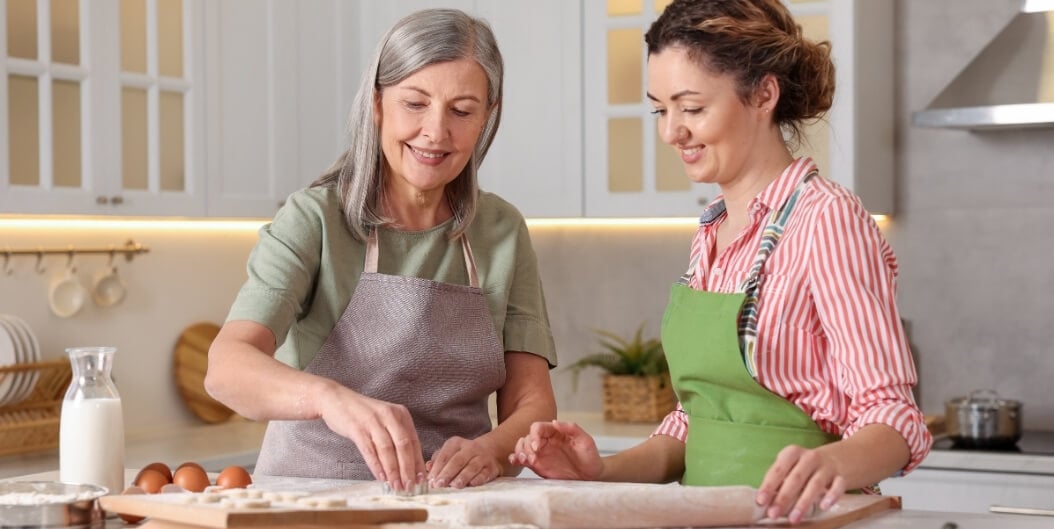
Baking clubs with adaptive kitchen tools can help seniors in independent living communities stay creative, socially connected, and more confident participating in an activity they enjoy. With easier-to-use tools and a relaxed group setting, you can share recipes, create memories, and keep baking without unnecessary physical frustration.
Baking has a funny way of bringing people together. One batch of cookies can turn into an hour of storytelling, laughter, recipe swapping, and friendly debate over who makes the best banana bread. For many seniors, baking also brings back strong memories tied to family traditions, holidays, and everyday life at home.
Why Do Baking Clubs Matter in Independent Living Communities?
Baking clubs matter because they give residents a relaxed way to build friendships, stay creative, and enjoy meaningful shared experiences.
Baking clubs are not only about desserts.
They create opportunities for:
- Friendship
- Confidence
- Creativity
- Conversation
- Daily engagement
- Shared experiences
And the social side matters just as much as the baking itself.
Some seniors move into independent living worried about losing parts of their identity or daily routines. Joining a baking club can help you reconnect with hobbies you once loved while building new friendships at the same time.
There’s also something comforting about kitchens. The smells, sounds, and routines can instantly make people feel more relaxed and connected.
That emotional familiarity can help you feel more comfortable and connected.
How Do Adaptive Kitchen Tools Help Residents Stay Independent?
Adaptive kitchen tools help residents stay independent by making common baking tasks easier, safer, and less physically frustrating.
A lot of seniors stop baking because traditional kitchen tools become frustrating to use.
Heavy mixing bowls, slippery measuring cups, stiff jar lids, awkward handles, and difficult appliances can make cooking feel exhausting instead of enjoyable.
Adaptive kitchen tools help remove many of those barriers.
Common tools may include:
- Easy-grip measuring cups
- Lightweight mixing bowls
- Electric jar openers
- Non-slip cutting boards
- Ergonomic utensils
- Rocker knives
- Adaptive can openers
- Large-print measuring tools
And honestly, small changes can make a massive difference.
How Does Baking Encourage Residents to Stay Social?
Baking encourages residents to stay social by creating natural moments for conversation, recipe sharing, and relaxed group interaction.
Social connection can get harder with age if people stop participating in group activities.
That sense of isolation can build quietly over time.
Baking clubs help fight back against that problem because they create natural interaction without putting pressure on you to constantly socialize. Conversations happen organically while you measure ingredients, decorate cupcakes, or wait for something to finish baking.
Food gives people something easy to bond over.
Residents in independent living communities often share:
- Family recipes
- Holiday traditions
- Funny cooking disasters
- Cultural dishes
- Favorite desserts
- Baking tips
Those conversations build familiarity fast. Before long, residents begin recognizing faces, sitting together at meals, and joining other community activities too.
How Can Baking Help Keep the Mind Active?
Baking can help keep the mind active because it involves memory, focus, sequencing, problem-solving, and attention to detail.
Baking can be a naturally engaging mental activity.
Following recipes involve memory, concentration, sequencing, problem-solving, and attention to detail.
Residents are often more mentally engaged when activities feel enjoyable instead of forced.
Baking clubs provide cognitive stimulation without making people feel like they are completing “brain exercises.” Residents stay active mentally while doing something fun and familiar.
That combination works well.
How Can Adaptive Tools Make Baking Feel Easier and More Comfortable?
Adaptive tools can make baking feel easier by reducing strain, improving control, and helping residents participate with more comfort and confidence.
One frustrating kitchen experience can cause some seniors to completely give up cooking or baking.
That’s understandable.
Spilled ingredients, difficult appliances, or fear of falling can quickly turn a relaxing hobby into something stressful. Adaptive tools help reduce those risks while making the experience feel manageable again.
For example:
- Non-slip mats help stabilize bowls
- Lightweight cookware reduces strain
- Easy-grip handles improve control
- Stable seating reduces fatigue
- Electric mixers reduce repetitive motion stress
Reducing physical frustration often helps residents feel emotionally calmer too.
Simple tasks should not feel discouraging or harder than they need to be.
How Do Baking Clubs Create a Stronger Sense of Community?
Baking clubs create a stronger sense of community by giving residents recurring chances to gather, contribute, and look forward to shared experiences.
The best independent living communities feel active, welcoming, and connected.
Baking clubs contribute to that atmosphere because they bring residents together regularly around something enjoyable and comforting. Residents often look forward to club meetings as part of their weekly routine.
And consistency matters.
Having recurring activities gives people structure and something positive to anticipate. That can improve overall mood and daily motivation.
Many baking clubs also contribute to larger community events by preparing treats for:
- Holiday parties
- Birthday celebrations
- Fundraisers
- Resident socials
- Family events
Residents feel involved instead of disconnected from community life.
How Can Baking Clubs Help Residents Gain Confidence Trying New Things?
Baking clubs can help residents gain confidence by giving them low-pressure opportunities to learn, experiment, and enjoy small wins with others.
Some seniors enter independent living assuming certain hobbies are behind them.
That mindset can quietly limit confidence and curiosity over time. Baking clubs help challenge that thinking in a positive way.
Residents may:
- Learn new recipes
- Try adaptive equipment
- Experiment with decorating
- Bake alongside new friends
- Teach others their favorite techniques
Trying something new again can feel genuinely encouraging. .
Confidence builds little by little through small wins.
Why Does Baking Often Spark Meaningful Memories?
Baking often sparks meaningful memories because familiar smells, recipes, and kitchen routines can reconnect residents with family traditions and earlier life moments.
Food memories run deep.
One familiar smell can instantly bring back:
- Childhood memories
- Family holidays
- Sunday dinners
- Grandchildren visits
- Special celebrations
Baking clubs create opportunities for residents to revisit those moments while sharing them with others.
And honestly, storytelling becomes part of the experience.
Residents frequently open up emotionally during cooking activities because the environment feels warm and relaxed. Those conversations help strengthen friendships and emotional well-being inside the community.
Looking for Independent Living That Encourages Creativity, Connection, and Everyday Enjoyment? Visit Elison of Statesman Club!
At Elison Independent Living of Statesman Club, you can enjoy engaging daily activities, welcoming shared spaces, chef-prepared dining, wellness opportunities, and social programs designed to encourage connection and independence.
Activities like baking clubs, hobby groups, social events, games, fitness programs, and creative gatherings will help you stay active, involved, and connected with others in the community.
Schedule a tour of Elison Independent Living of Statesman Club to explore the independent living lifestyle, community amenities, dining experiences, and resident programs that help make everyday life feel more connected and enjoyable.